
A VM cluster is a group of virtual machines (VMs) that work together to provide high availability, load balancing, and high performance computing. VM clusters are used to ensure that if one VM fails, the other VMs in the cluster can take over its workload, minimizing downtime and data loss.
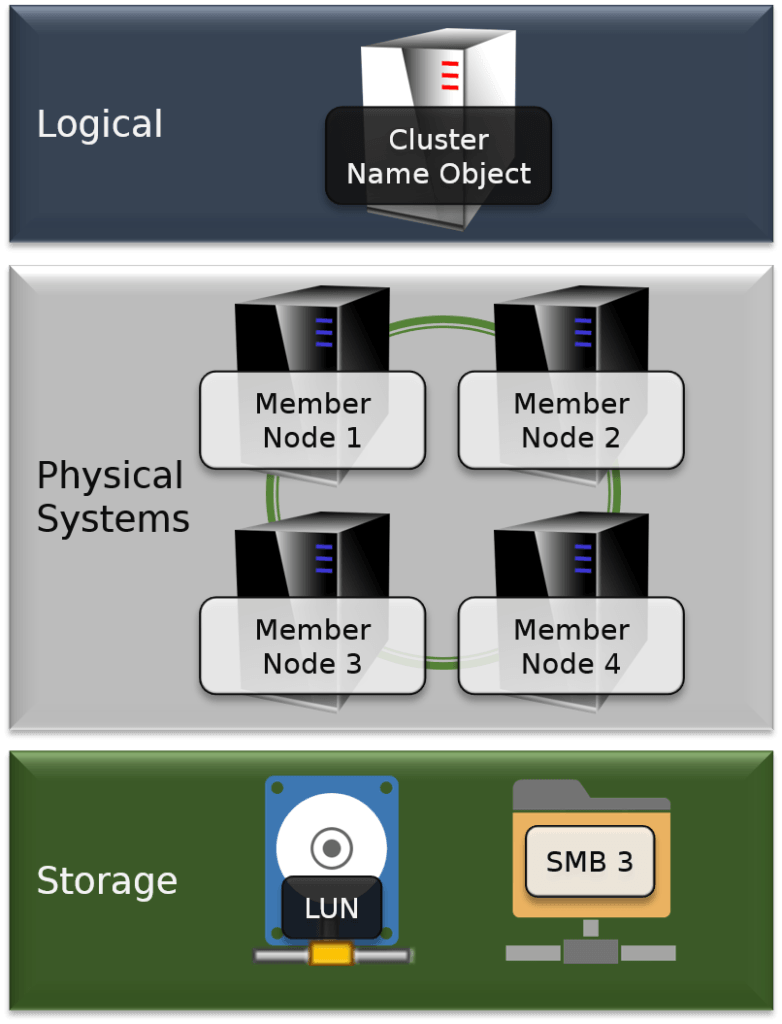
Types of VM Clusters
There are several types of VM clusters, including:
- Virtual Machine Clusters: A group of VMs that work together to provide high availability and load balancing.
- Resource Pools: A group of VMs that share resources such as CPU, memory, and storage.
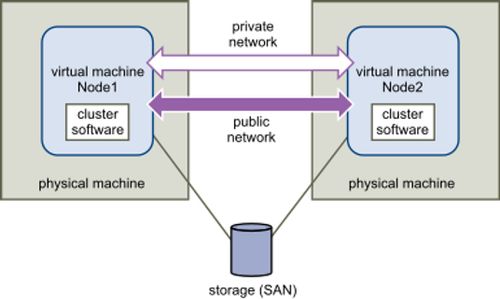
- Clustering Virtual Machines Across Physical Hosts: A configuration where VMs are placed on separate ESXi hosts to protect against software and hardware failures.
Benefits of VM Clusters
The benefits of VM clusters include:
- High Availability: VM clusters provide high availability by ensuring that if one VM fails, the other VMs in the cluster can take over its workload.
- Load Balancing: VM clusters can distribute workload across multiple VMs, improving performance and reducing the risk of overload.
- High Performance Computing: VM clusters can provide high-performance computing by aggregating resources from multiple VMs.
How to Create a VM Cluster
To create a VM cluster, you can:
- Use the Console to Create a VM Cluster: Use the console to create a VM cluster by defining the VMs that will be part of the cluster and configuring the cluster settings.
- Use the API to Manage Exadata VM Clusters: Use the API to manage Exadata VM clusters by reviewing the list of API calls to manage your Exadata Database Service on Cloud@Customer VM cluster networks and VM clusters.
- Create a Smaller VM Cluster: Create a smaller VM cluster to host databases that have low resource and scalability requirements or to host a smaller number of databases that require isolation from the rest of the workload.
Troubleshooting VM Clusters
To troubleshoot VM clusters, you can:
- Use Console Connections: Use console connections to troubleshoot malfunctioning VMs.
- Review Incident Logs and Trace Files: Review incident logs and trace files to identify issues with the VM cluster.
- Scale Down or Scale Up Resources: Scale down or scale up resources as needed to optimize utilization of available resources.
Conclusion
VM clusters are an effective way to ensure high availability, load balancing, and high performance computing in virtual environments. By understanding the different types of VM clusters and how to create and troubleshoot them, you can ensure that your virtual infrastructure is running efficiently and effectively.
Question : What is VM clusters
Answered by AI
Linux basic to Linux system administration class ( Online Live Class + Video Record )
သင်တန်းအကြောင်းသိချင်ရင် ဒီမှာ နှိပ်ပါ >>>>>> Click HERE
 BNN TECH